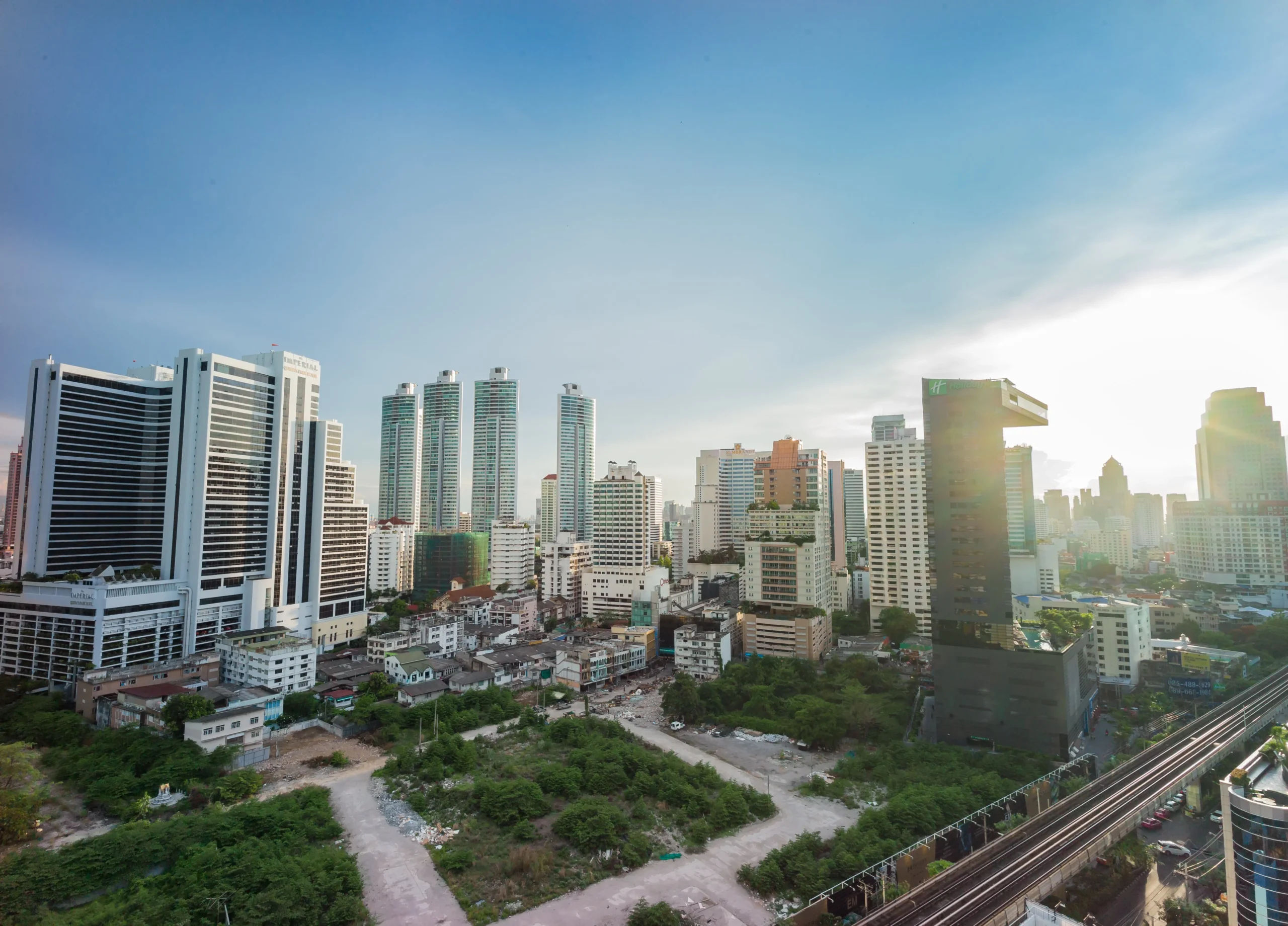
Thailand’s real estate market has experienced significant growth in recent years, driven largely by major infrastructure developments. From new transportation networks to economic zones, these projects have reshaped property values and demand across the country. In this blog, we’ll explore how these developments are influencing market trends and what this means for investors and buyers.
1. The Role of Transportation Projects
Infrastructure improvements, particularly in transportation, have been a game-changer for Thailand’s property market. The expansion of Bangkok’s mass transit system, including the BTS and MRT, has made previously overlooked areas more accessible.
Example:
Areas like Bang Na and Ratchada have seen a surge in property values due to new transit lines. Condominiums near these stations are now in high demand, catering to young professionals and expats seeking convenience.
Key Impacts:
- Increased Property Values: Proximity to transit hubs boosts property prices significantly.
- Shift in Demand: Buyers are increasingly prioritizing connectivity over central locations.
2. Growth of the Eastern Economic Corridor (EEC)
The EEC is a government-led initiative aimed at transforming Thailand’s eastern provinces into a leading economic hub. Covering Chonburi, Rayong, and Chachoengsao, this project has drawn significant foreign investment, particularly in industrial and commercial real estate.
Implications for Real Estate:
- Commercial Growth: Industrial parks and logistics hubs are attracting businesses, increasing demand for commercial spaces.
- Residential Boom: As job opportunities grow, so does the demand for housing in these areas. Developers are launching new projects to cater to both local and foreign workers.
3. Airport Expansions and Their Effects
Thailand’s major airport expansions, such as Suvarnabhumi and U-Tapao, are further driving real estate growth. Enhanced connectivity to international destinations boosts tourism, which in turn fuels demand for vacation homes and short-term rentals.
Case Study:
Properties in Phuket and Koh Samui have benefited from increased flight capacity, attracting international buyers looking for luxury vacation properties.
Market Trends:
- Rise in Short-Term Rentals: Platforms like Airbnb are thriving in these regions.
- Luxury Segment Growth: High-end villas and condos near airports are becoming hot investments.
4. Urbanization of Secondary Cities
Infrastructure projects are not limited to Bangkok and major tourist destinations. Secondary cities like Khon Kaen and Udon Thani are experiencing rapid urbanization, thanks to new highways and rail connections.
Opportunities for Investors:
- Affordable Entry Points: Property prices in these cities are still relatively low.
- High Growth Potential: Early investments in these regions could yield significant returns as development continues.
5. Challenges and Risks
While infrastructure developments bring opportunities, they also come with challenges.
- Speculative Bubbles: Rapid price increases in newly developed areas may not be sustainable in the long term.
- Delays in Project Completion: Delays in infrastructure projects can affect property values and investment timelines.
- Environmental Impact: Large-scale developments may face opposition due to environmental concerns, potentially slowing progress.
Thailand’s ongoing infrastructure developments are reshaping the real estate market, creating new opportunities and shifting investment dynamics. For investors and buyers, staying informed about these projects is crucial to capitalizing on emerging trends. Whether it’s proximity to a new transit line or growth in secondary cities, understanding these developments can help you make strategic decisions in a rapidly evolving market.