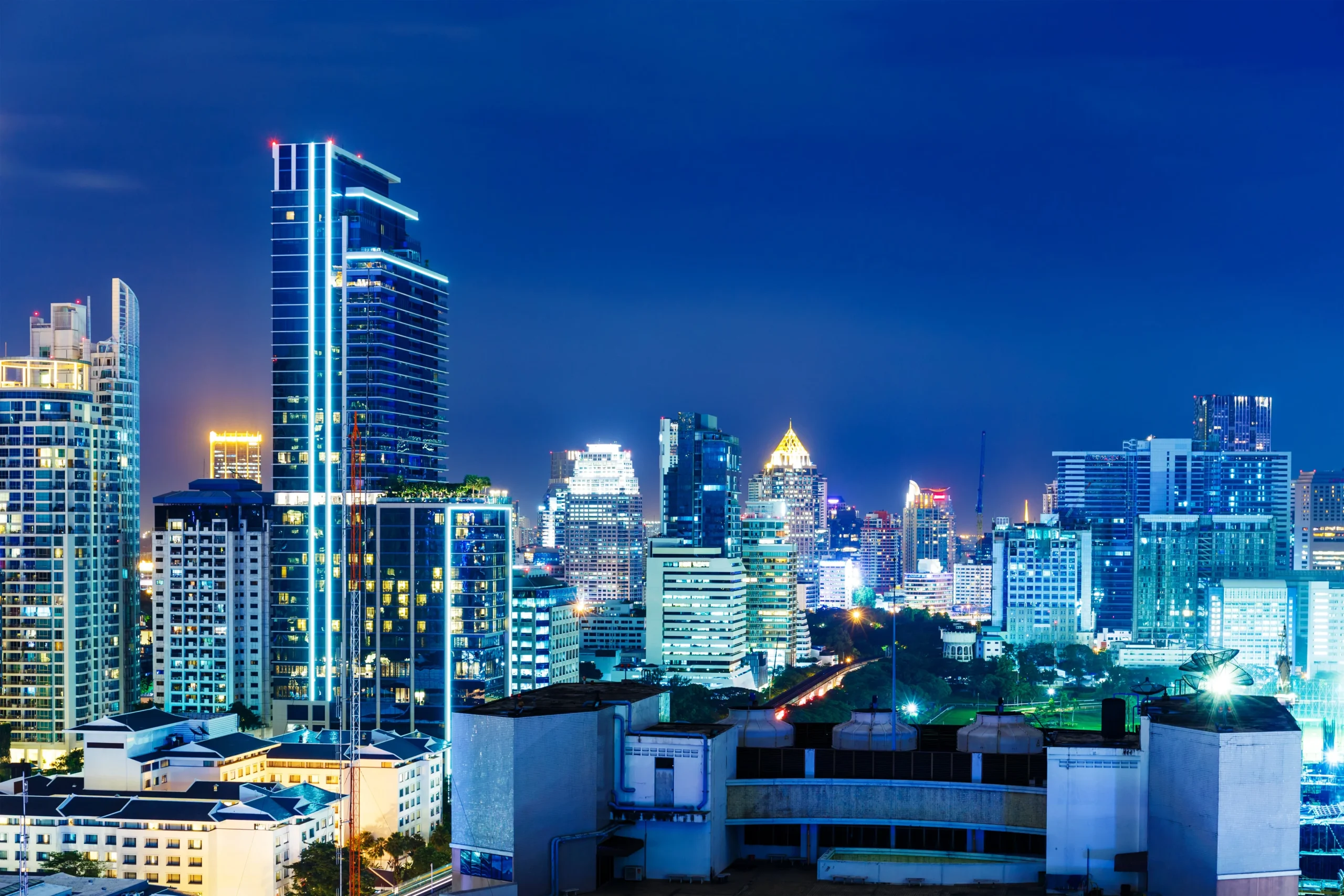
Why Thailand is a Real Estate Investment Haven
Thailand, the “Land of Smiles,” is renowned for its stunning landscapes, rich culture, and dynamic cities. Beyond its appeal as a top tourist destination, Thailand has established itself as a thriving real estate market. With relatively affordable property prices, high rental demand, and a booming economy fueled by tourism and infrastructure growth, Thailand offers incredible opportunities for both lifestyle buyers and investors.
This guide will take you through everything you need to know about investing in Thai real estate, from understanding legal frameworks to identifying the best locations and market trends. Whether you’re a first-time buyer or a seasoned investor, this resource will help you make informed decisions in this exciting market.
Why Invest in Thailand?
Investing in Thailand’s property market comes with numerous benefits. The country has seen steady growth in its real estate sector, driven by factors such as its strategic location in Southeast Asia, a flourishing tourism industry, and a favorable economic climate.
One of the key draws for foreign investors is the affordability of Thai real estate compared to other global markets. Properties in Thailand, even in prime locations, are often priced significantly lower than those in neighboring countries like Singapore or Hong Kong. Furthermore, the country’s stable political environment and pro-investment policies make it a reliable choice for long-term investments.
Thailand’s tourism sector also plays a vital role in driving rental demand, particularly in popular destinations such as Bangkok, Phuket, and Pattaya. This ensures a steady income stream for property owners, especially those investing in short-term rental markets.
Additionally, the government’s ongoing infrastructure projects, including airport expansions, high-speed rail development, and the Eastern Economic Corridor (EEC) initiative, are expected to boost property values and attract more investors.
Understanding Property Ownership in Thailand
Foreign ownership of property in Thailand is governed by specific rules and regulations. While foreigners are not permitted to own land outright, they can legally purchase condominiums and lease land for residential purposes.
The most common ownership structures include:
- Freehold Ownership for Condominiums:
Foreigners can own up to 49% of the total units in a condominium building. This is the most straightforward and secure option for international buyers. - Leasehold Agreements:
Foreigners can lease land or property for up to 30 years, with the option to renew. Leasehold agreements are common for villa purchases where the land is included. - Company Ownership:
Some foreign investors set up Thai companies to purchase land, but this method involves legal complexities and must be handled carefully to ensure compliance with local laws.
It’s crucial to work with a qualified lawyer to navigate the legal framework and ensure a secure transaction.
Best Locations for Property Investment
Thailand offers a wide range of locations suited to different types of investors. Each region has its unique appeal, depending on your investment goals.
Bangkok: The Thriving Metropolis
As Thailand’s capital and economic hub, Bangkok remains a top choice for property investment. The city offers a mix of luxury condominiums, affordable apartments, and mixed-use developments. Areas such as Sukhumvit, Thonglor, and Rama 9 are highly sought after due to their proximity to business districts, shopping centers, and public transport networks. Bangkok’s high rental demand, driven by expatriates and young professionals, ensures steady returns for investors.
Phuket: The Island Paradise
Phuket’s pristine beaches and luxury lifestyle attract both tourists and retirees. The island’s real estate market is dominated by high-end villas and holiday homes, often purchased for personal use or as short-term rentals. Popular areas like Kamala, Patong, and Nai Harn offer excellent investment opportunities, particularly for properties with ocean views.
Pattaya: Affordable Coastal Living
Pattaya offers an affordable entry point into Thailand’s property market. The city has a thriving rental market thanks to its proximity to Bangkok and popularity as a tourist destination. Beachfront condominiums and townhouses are among the most popular investment options.
Chiang Mai: The Cultural Capital
Known for its laid-back lifestyle and rich cultural heritage, Chiang Mai appeals to retirees and digital nomads. The city’s property market is relatively affordable, with a growing demand for modern apartments and single-family homes.
The Eastern Economic Corridor (EEC): The Growth Zone
The EEC initiative is transforming areas like Chonburi and Rayong into industrial and economic hubs. This region offers significant potential for capital appreciation as infrastructure and development projects continue to expand.
The Buying Process in Thailand
Investing in Thai property involves several steps, each of which requires careful consideration.
- Identify Your Investment Goals:
Determine whether you’re buying for personal use, rental income, or long-term capital growth. - Research the Market:
Explore potential locations and property types. Engage with local real estate agents and developers to understand market trends. - Engage Legal Assistance:
A qualified property lawyer will ensure compliance with local laws, review contracts, and facilitate a smooth transaction. - Reserve the Property:
Once you’ve selected a property, sign a reservation agreement and pay a deposit to secure your unit. - Sign the Sales and Purchase Agreement (SPA):
This legally binding contract outlines the terms of the purchase. At this stage, a significant deposit (10-30% of the property value) is typically required. - Transfer Ownership:
The final step involves transferring ownership at the Land Department, where you’ll pay the remaining balance along with any applicable taxes and fees.
Key Considerations and Risks
While Thailand offers immense opportunities for property investment, it’s important to be aware of potential risks. Currency fluctuations can impact costs for foreign buyers, particularly when transferring large sums from abroad. Additionally, certain markets, such as Phuket and Pattaya, are heavily reliant on tourism, which can lead to fluctuations in rental demand.
Investors should also carefully review the credentials of developers and avoid properties with unresolved legal or financial issues. Performing due diligence and working with reputable professionals can mitigate these risks.
Future Trends in Thailand’s Property Market
The Thai real estate market is evolving, with several trends shaping its future. Sustainable and eco-friendly developments are gaining traction, driven by increasing consumer demand for green living. Smart homes equipped with advanced technology are also becoming more popular, particularly in luxury developments.
Infrastructure improvements, such as high-speed rail connecting Bangkok to Pattaya and Rayong, are expected to create new investment hotspots. As urban expansion continues, suburban areas near Bangkok and major cities are emerging as attractive options for investors seeking affordable properties with growth potential.
Conclusion: Your Path to Real Estate Success in Thailand
Thailand’s property market offers a unique combination of affordability, lifestyle appeal, and investment potential. Whether you’re drawn to the vibrant streets of Bangkok, the serene beaches of Phuket, or the cultural charm of Chiang Mai, there’s an opportunity to suit every investor. By understanding the market, navigating the legal framework, and staying informed about emerging trends, you can make the most of your investment in this dynamic and exciting market.
Let Thailand’s real estate sector unlock the doors to both financial success and a better lifestyle. Your journey starts now.